ArticlePL
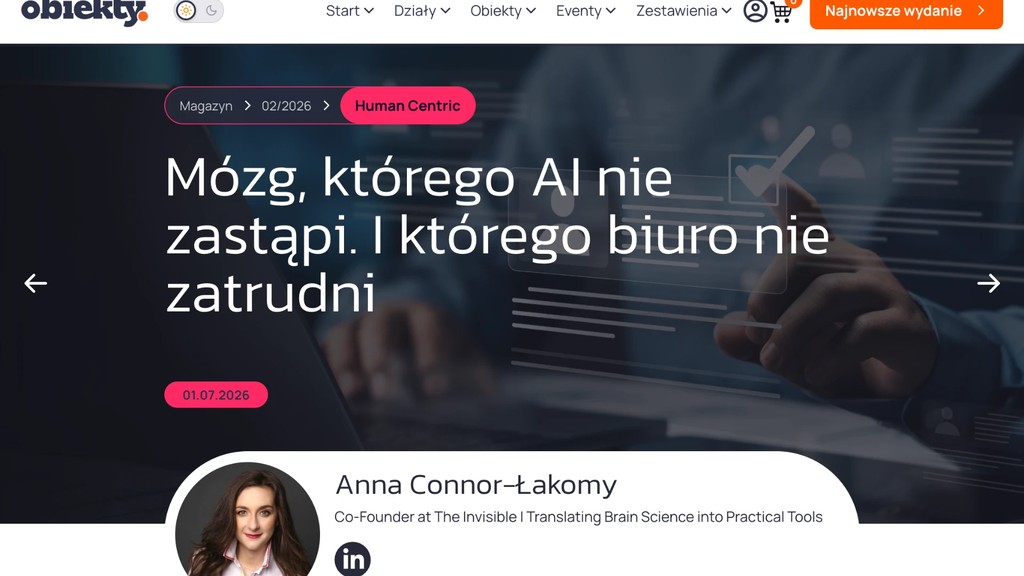
Mózg, którego AI nie zastąpi (i którego biuro nie zatrudni)
Why the “spiky” minds AI can't replace are the very ones hiring algorithms filter out first.
ObiektyRead
Articles, podcasts and talks on the invisible side of work — cognitive load, neurodiversity, and the neuroscience of leadership. Most of this material is in Polish; items are labelled by language.
Why the “spiky” minds AI can't replace are the very ones hiring algorithms filter out first.
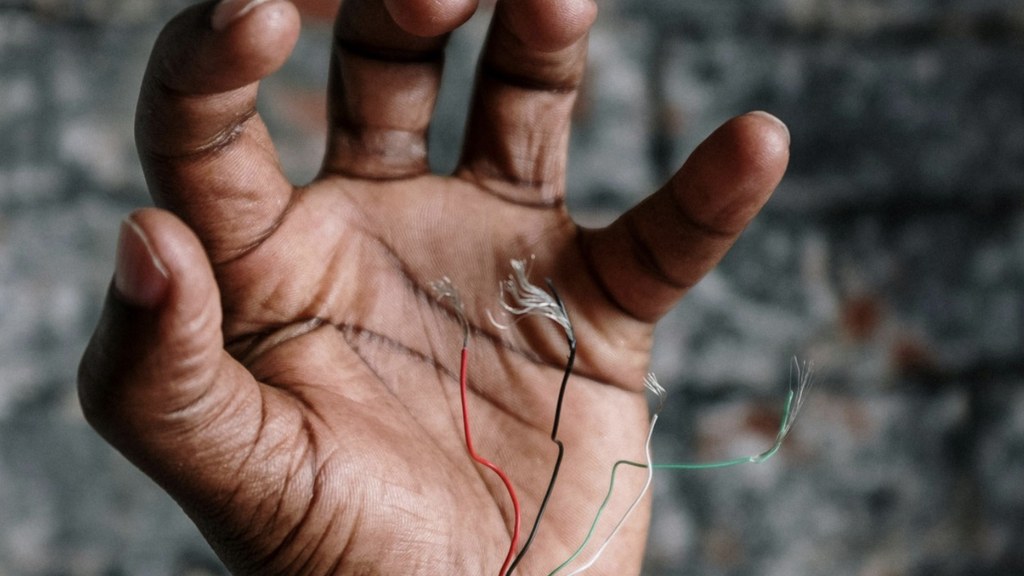
The risk nobody talks about: adopting AI without managing the cognitive load it creates.

Fatigue is an invisible cost centre — how it quietly erodes performance long before anyone names it.

How to keep human brains from burning out while algorithms speed everything up.
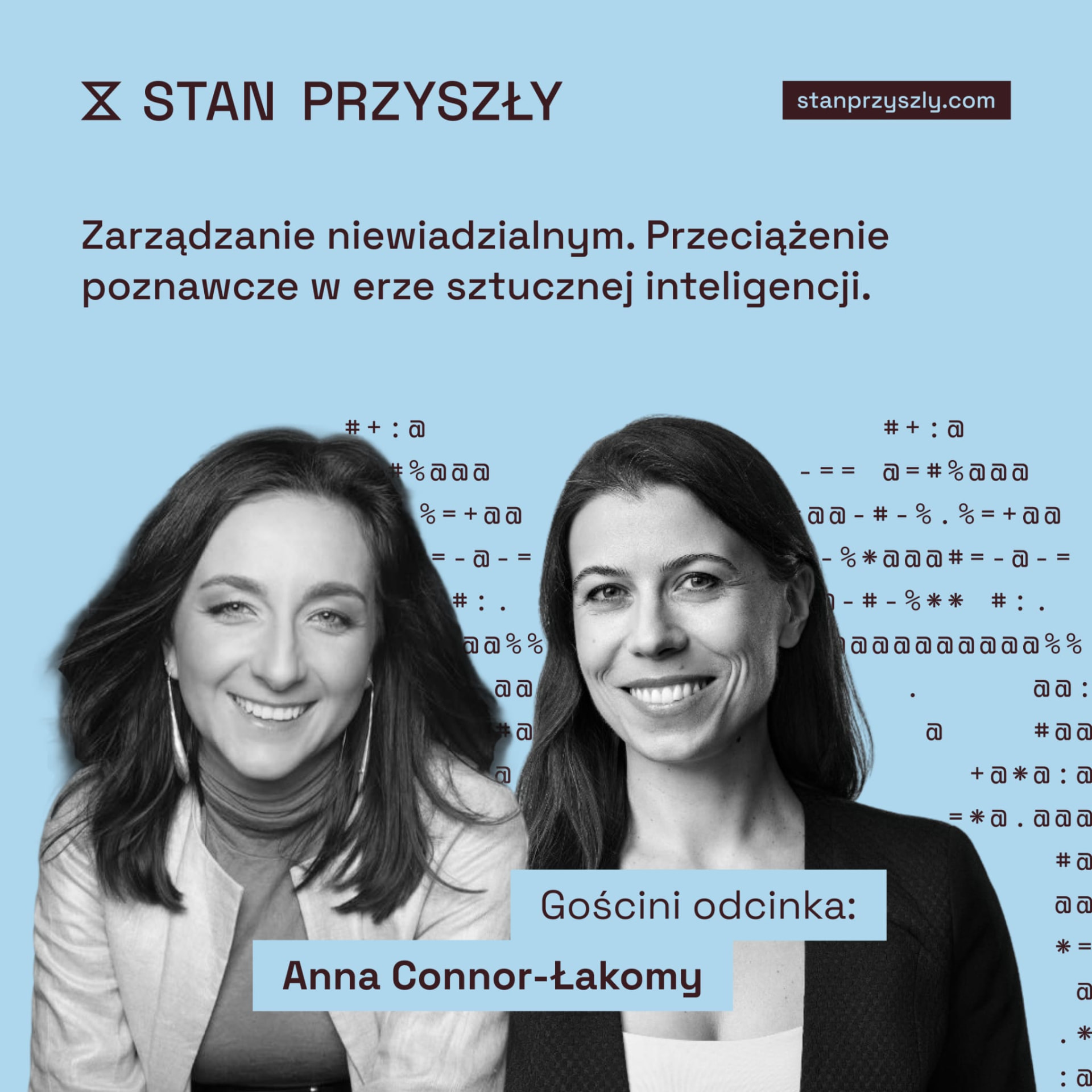
Managing the invisible: the conversation that gives this company its name — cognitive overload in the age of AI.
No, ADHD is not a fashion trend — but there is one reason it looks like one.

Different brains, one company: making collaboration work across cognitive styles.

What neurodiversity actually changes in a business environment — beyond the buzzword.
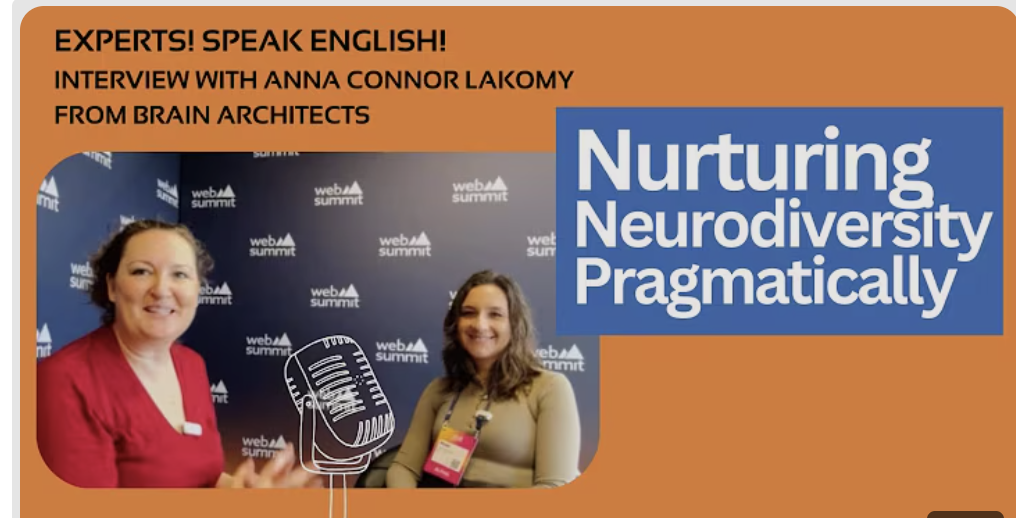
Anna presents The Invisible's B2B approach to nurturing neurodiversity, on the Web Summit stage.
Is leadership even built for women? A neuroscience-informed look past the usual answers.
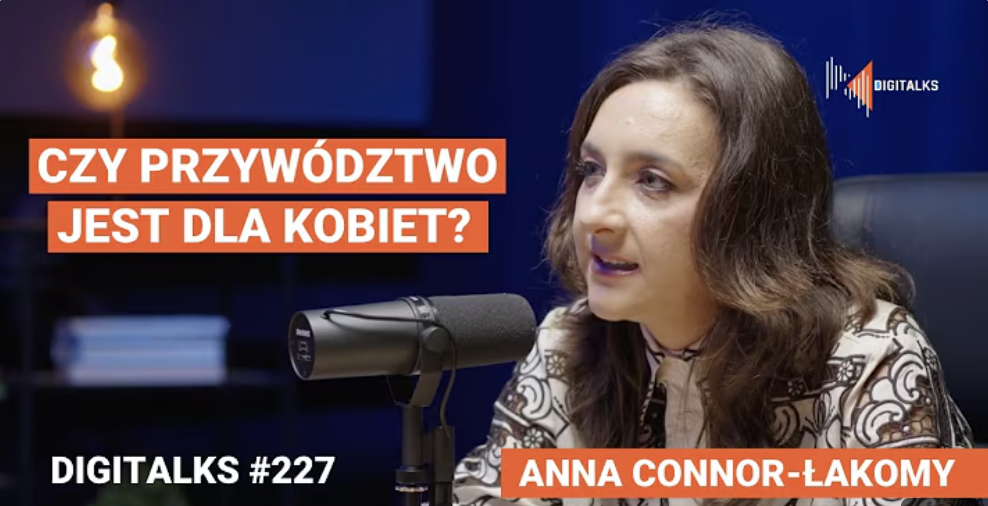
Why women are still missing from boardrooms — and what the data says about fixing it.

With prof. Szymon Wichary: why teams that mix different neurobiological risk profiles decide better under uncertainty. Published in MIT Sloan Management Review Polska.
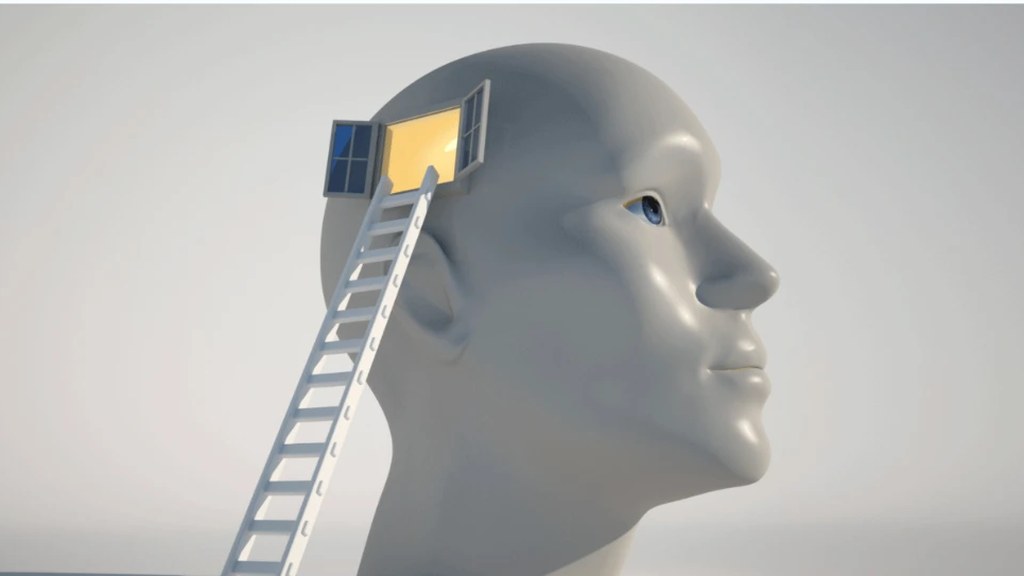
In conversation with Rasmus Hougaard (Potential Project) on what brain science demands of modern leaders.
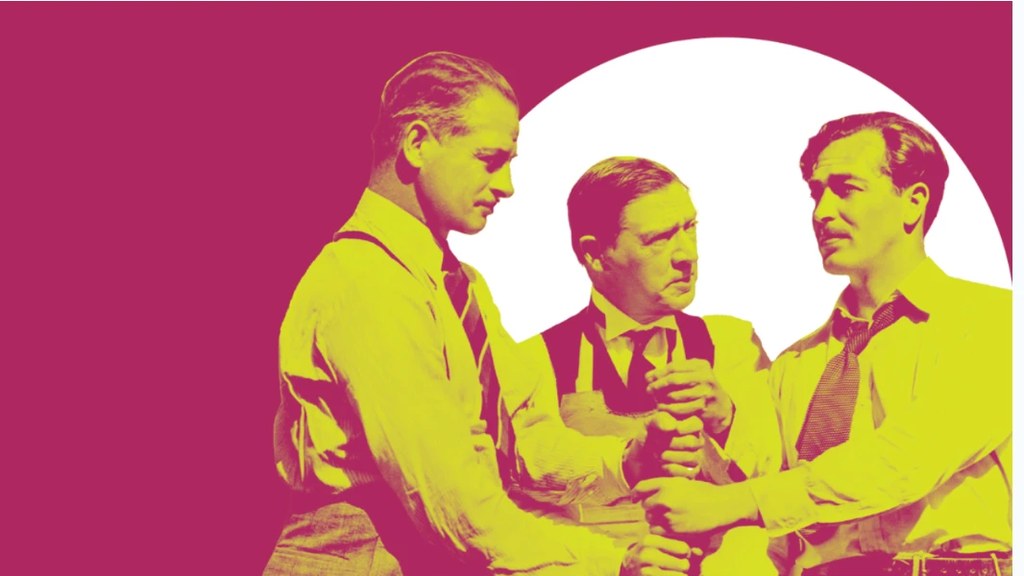
Mindfulness, selflessness, compassion — the three dimensions research links to trust and engagement.
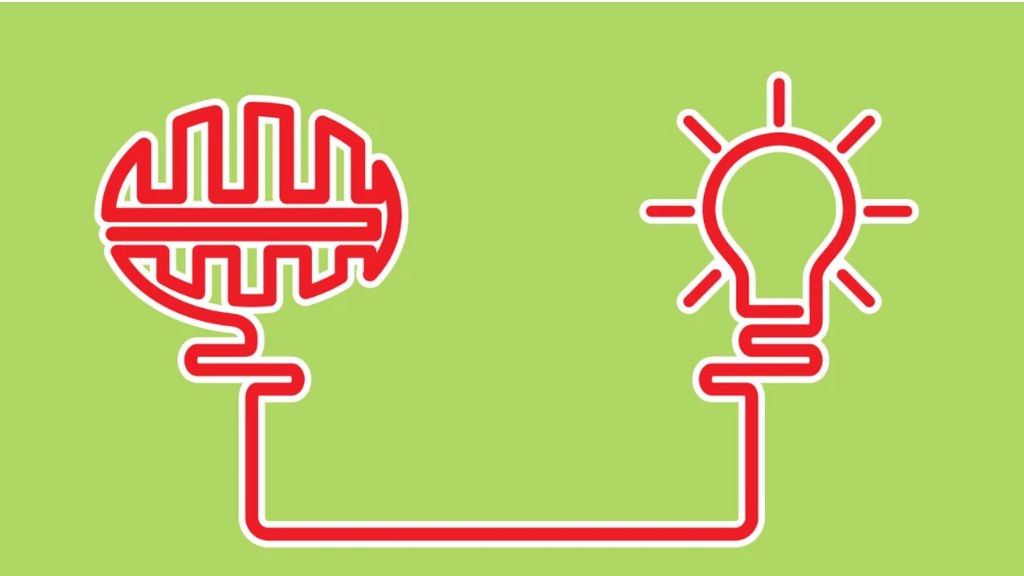
Learning agility as the real high-potential marker — and how neuroplasticity research changes talent development.

Emotional intelligence isn't one skill — and treating it as one is why most EQ training fails.

On Digital University's Masters&Robots: what leadership looks like when machines take over the routine.
Why people feel alone in crowded offices — and how acoustic design and semi-private zones lower the neurological cost of connection.

How customer brains actually decide — neuroscience for anyone who writes sales messages.

Practical neuroscience for psychologists, therapists and managers — what transfers from lab to daily practice.